Piacenza is often described as a true “food valley” because it boasts one of the highest concentrations of DOP and DOC. To help you feel at home and eat like a true local, here is your essential guide to the unmissable flavors of the city.
In this guide
Piacenza's cuisine is incredibly rich and varied, featuring traditional dishes that are celebrated not only in Italy, but well beyond its borders. In fact, this proud culinary tradition has earned the area a unique European record: it is the only territory in the entire European Union to boast three DOP cured meats.
What makes the local food so special is its deep respect for simple ingredients. Born from a humble peasant history, these rich, hearty and comforting recipes turn basic elements into incredible flavors.
Let’s dive into the menu and discover the main dishes you need to try!
To Start
Salumi DOP
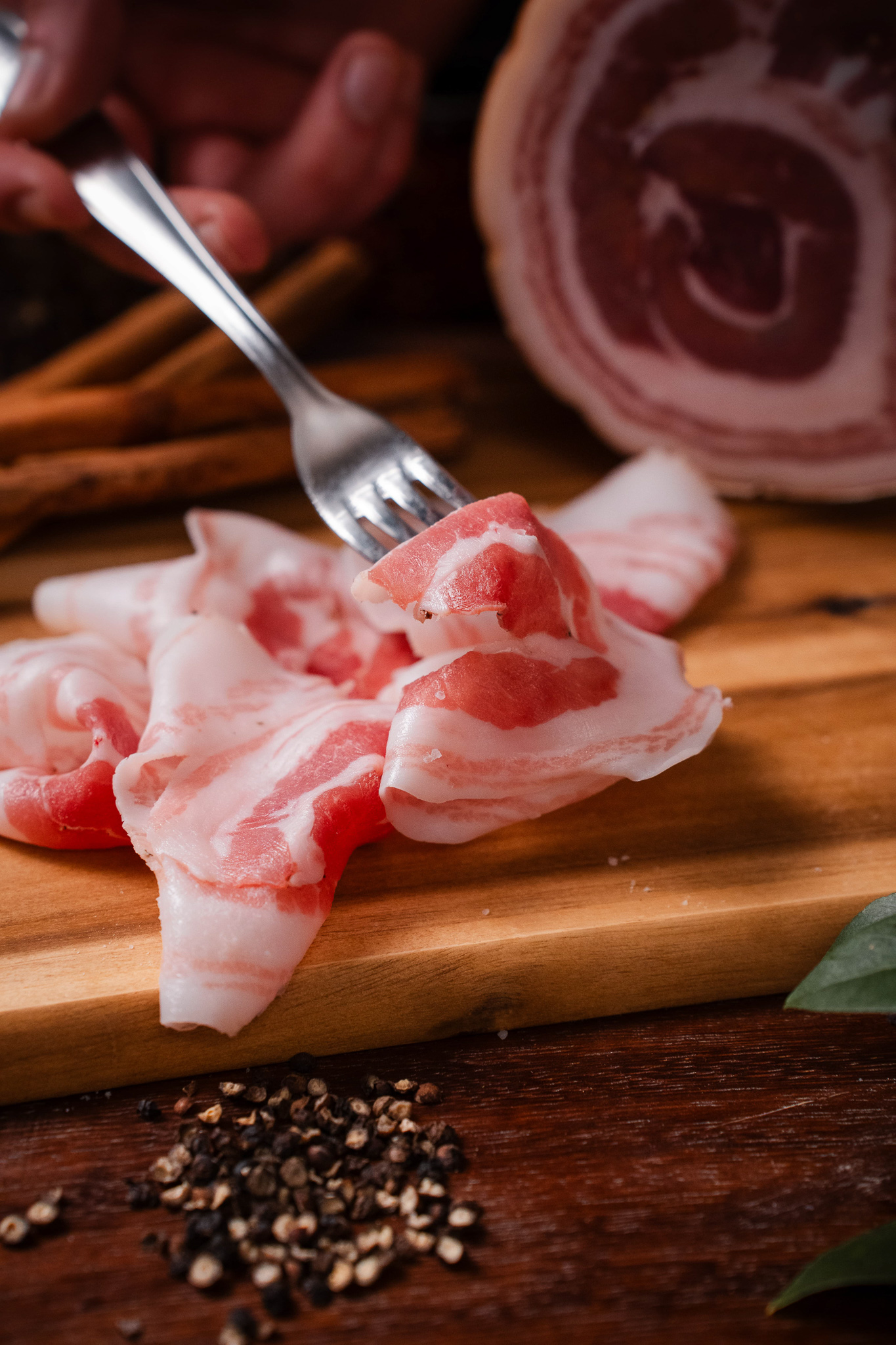
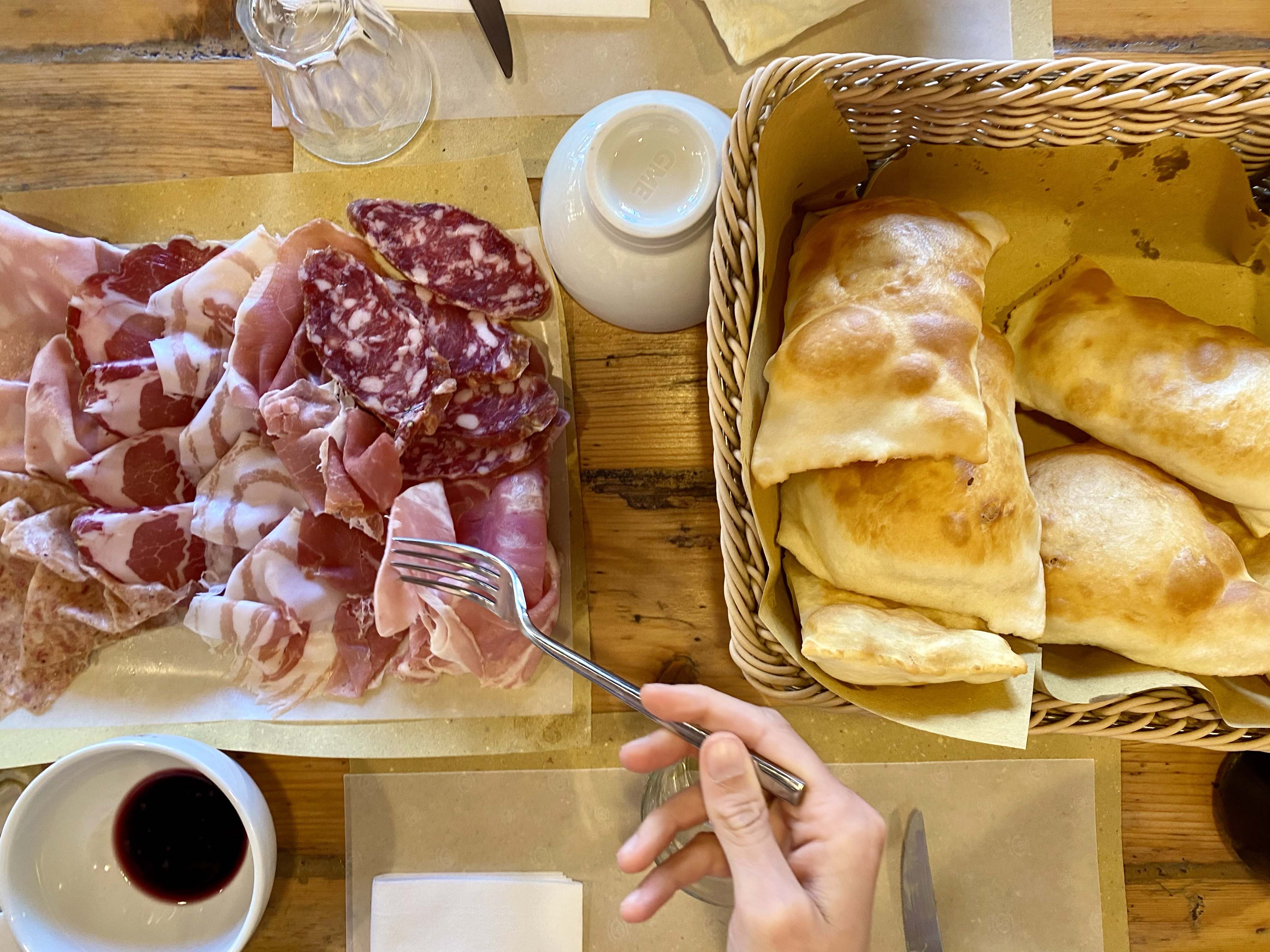
No culinary journey in Piacenza can begin without a tagliere (a mixed platter). Piacenza holds a unique European record: it is the only province on the continent with three certified DOP cured meats.
Coppa Piacentina
Salame Piacentino
Pancetta Piacentina
Local tip: while these cured meats are fantastic on their own, they are traditionally served hot with gnocco fritto or batarö!
Gnocco fritto
In any respectable Piacentino tagliere, these cured meats are never served alone; they always come accompanied by gnocco fritto. These are small squares or diamonds of dough made from flour, water and lard, deep-fried until they puff up like hollow pillows.
The traditional way to eat them is to crack the hollow dough open while it is still steaming and stuff the cold slices of pancetta, coppa or salame inside.
Batarö
A true rustic alternative from the Piacenza valleys, especially Val Tidone and Val Trebbia. The batarö (where the final “ö” is pronounced as a closed vowel) is a thin, oval flatbread with no crumb inside. It is designed to puff up just moments after coming into contact with the high heat of a wood-fired stone oven.
The recipe was born as a humble peasant dish, originally made by mixing bread dough with leftover polenta. Despite its simplicity, making it requires a delicate balance of traditional techniques and knowledge passed down through generations to achieve a perfect execution.
Just like gnocco fritto, it is sliced open horizontally while smoking hot, often brushed with a thin layer of lard on the inside, and stuffed generously with local salumi or melted cheeses. If you are craving something sweet, you can also find versions topped with sugar, honey or Nutella.
Cheesed
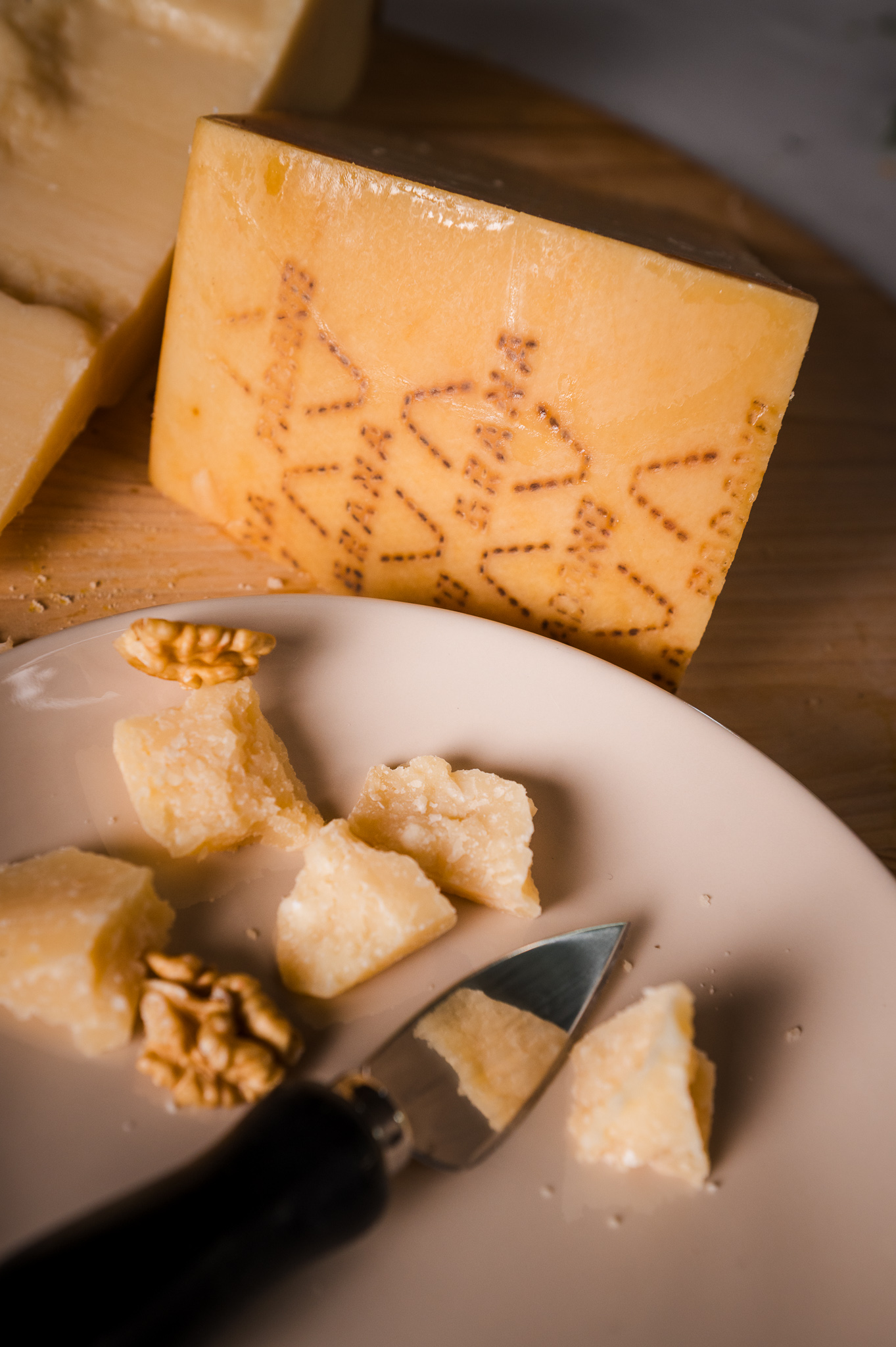
You cannot talk about Piacenza without mentioning Grana Padano D.O.P. and Provolone Valpadana D.O.P. The local dairy tradition is ancient, and these cheeses find their way into almost every recipe, from the fillings of anolini to the topping of your pasta.
First Courses
Pisaréi e Fasö
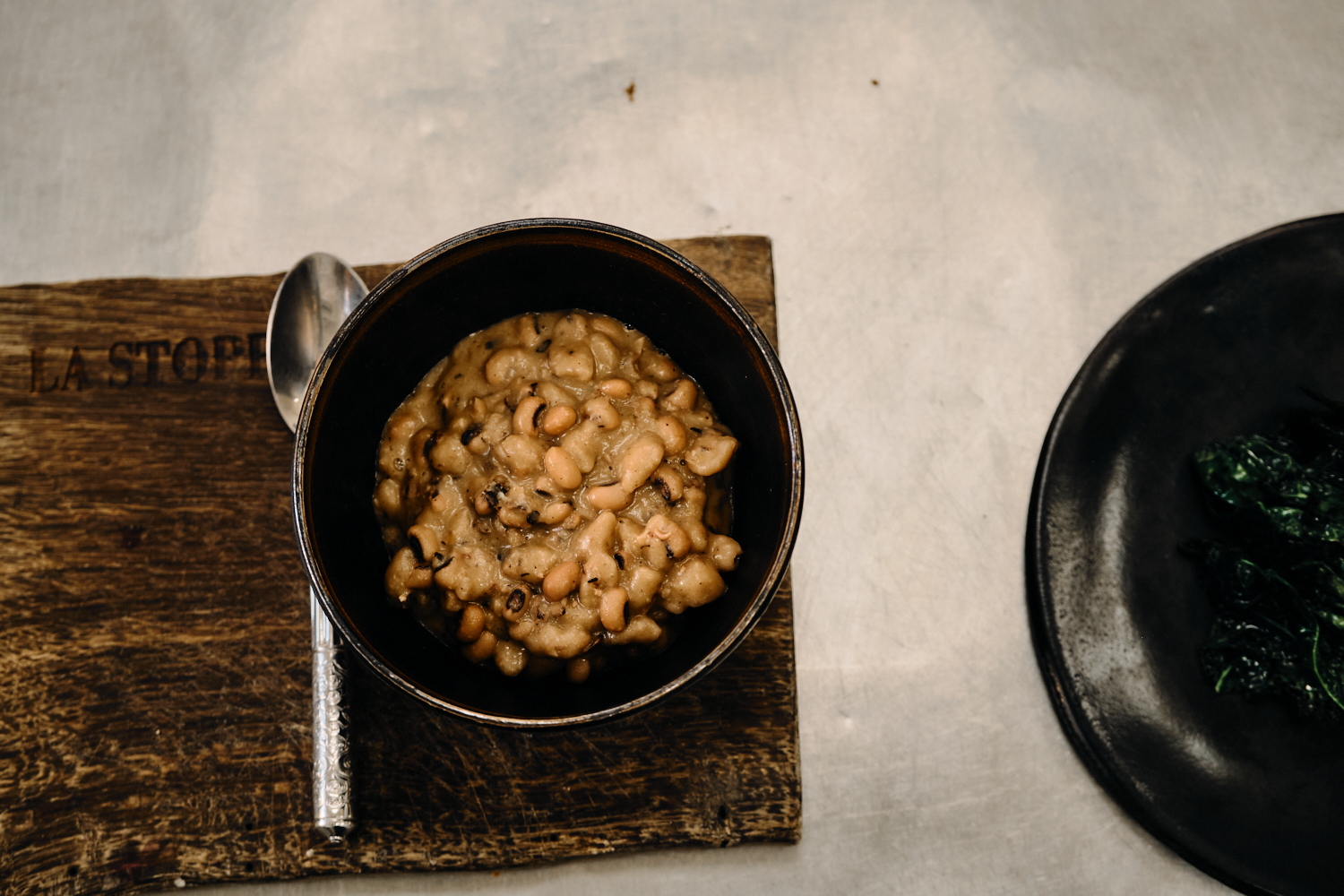
This is the ultimate local comfort food, a flavorful first course of peasant origin made with humble ingredients. While the name pisaréi e fasö might sound a bit mysterious to outsiders, it is actually just a simple combination of small dumplings and borlotti beans served in a rich, dense sauce.
The pisaréi are small, gnocchi-like dumplings handmade from a basic, ancient mix of flour, stale breadcrumbs, and water. Their signature shape is achieved by rolling the dough into thin ropes, cutting them into small pieces, and pressing them with the thumb to create a little hollow groove designed to scoop up the sauce.
They are tossed with the fasö (borlotti beans) and seasoned with tomato purée and lard—or enriched with local pancetta—along with onions and herbs, all slow-cooked for hours.
Anolini
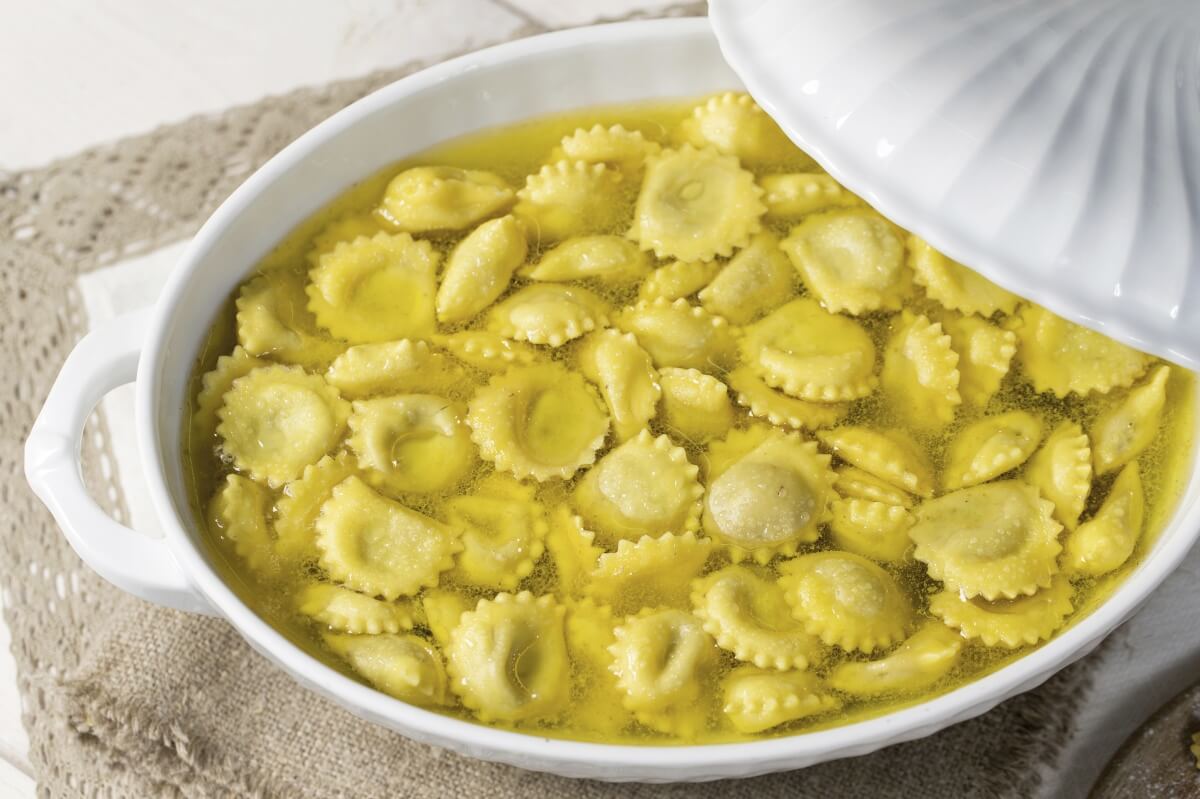
In these parts, making anolini is a true ritual. On Christmas Eve, families gather around the table, and everyone lends a hand to prepare the traditional Christmas anolini. It is a rich, elaborate, and refined dish saved for special festive occasions.
Essentially, they are parcels of fresh egg pasta filled with a mixture of slow-cooked beef stew, Grana Padano cheese, breadcrumbs, and eggs. However, every single family has its own secret variation—though as a rule in Piacenza, the filling is strictly based on the rich stew gravy and plenty of cheese.
Tortelli con la coda
A distinctive type of filled pasta shaped like a “tail”, typically filled with ricotta and spinach and served with butter and sage or in broth.
Main Dishes
Bomba ad Rìs
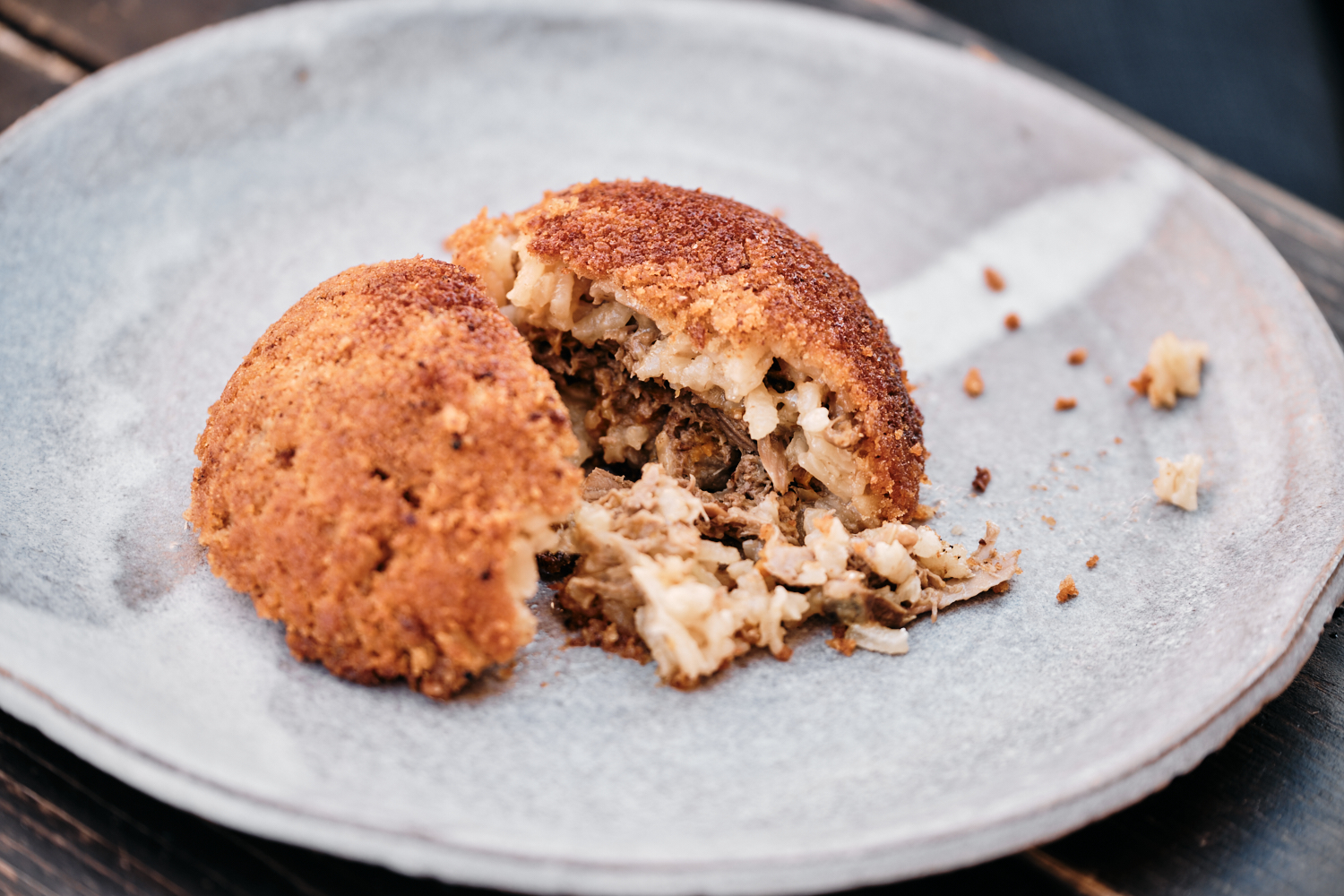
Typical of the town of Bobbio, the bomba di riso alla piacentina was once the traditional dish prepared for the feast of the Madonna d’agosto (the Assumption of Mary in mid-August), a time of year when the meat was at its tenderest. It is a rich, baked pie filled with rice, mushrooms, and pigeon meat—a delicacy that Elisabeth Farnese, Queen of Spain, was reportedly incredibly fond of.
The curious name “bomba di riso” (rice bomb) dates back to the 17th century, when it was traditionally cooked using a spherical mold shaped exactly like a cannonball. Over time, as military technology evolved, the shape of the mold used in some local kitchens was even modified to mimic the sleek silhouette of modern bullets.
Picula ad Cavall
This is a robust, deeply flavorful horse meat ragù traditionally served over a bed of warm polenta. Originally a humble, peasant dish, this rustic specialty continues to delight food lovers today, especially anyone searching for the genuine, comforting flavors of the past.
Desserts
Sbrisolona
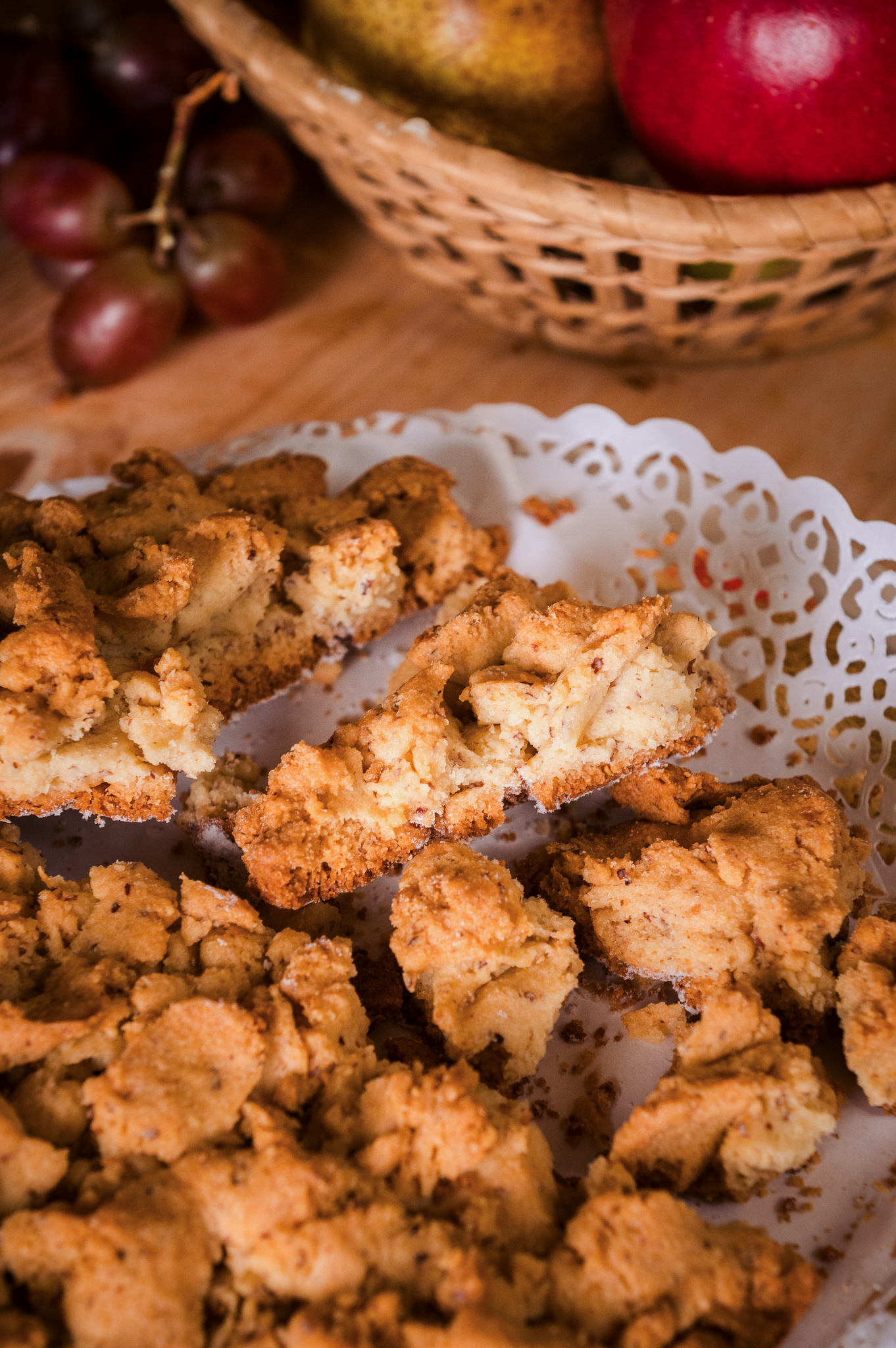
This rich, crumbly almond cake gets its name from the local dialect word sbrisa, meaning “crumb.” Originally a rustic peasant treat made with cornmeal and lard, this crisp cake is now a staple on Sunday tables and during festive holidays. Remember: it shouldn't be cut with a knife, but broken into pieces with your hands!
Torta di Vigolo
For over 35 years, the Torta di Vigolo has undoubtedly been one of the most beloved desserts in the entire province. It takes its name from Vigolo Marchese, a tiny, charming village tucked away in the municipality of Castell’Arquato.
The recipe for this extraordinary chocolate cake is based on simple, wholesome ingredients, yet it remains a closely guarded secret. Created by the Perazzi pastry shop after years of experimenting and perfecting, the recipe is now officially registered.
Despite the simple ingredients, it is an incredibly balanced chocolate cake. It features a rich butter shortcrust pastry base topped with a smooth chocolate cream; as it bakes, this filling magically transforms, becoming beautifully crisp on the outside while remaining soft and fudgy on the inside.
Local Wines
Today, the hills of Piacenza are a wine-making region of great importance, boasting an impressive 17 DOC wines, a number that perfectly highlights the area's deep-rooted passion for viticulture. All the exceptional wines produced in this territory are protected and promoted by the Consorzio Tutela Vini DOC Colli Piacentini.
The production spans four distinct valleys—Val Tidone, Val D’Arda, Val Trebbia, and Val Nure—covering 6,800 hectares of hillside vineyards perched between 150 and 450 meters above sea level. It is here that the area's most celebrated wine is produced: Gutturnio DOC, a robust red born from a blend of Barbera and Croatina grapes.
Gutturnio
Among the reds, Gutturnio is by far the most famous. Available in both sparkling and still versions, it is made from a blend of Barbera (55-70%) and Croatina (30-45%) grapes—the latter locally known as Bonarda. It features a deep ruby-red color with violet undertones and boasts a wonderful structure.
The sparkling version is best served slightly chilled and pairs beautifully with local cured meat appetizers and traditional pasta dishes. The still version, served at room temperature, is the perfect match for richer dishes like roasts, braised meats, aged cheeses, mushrooms and black truffles.
Malvasia
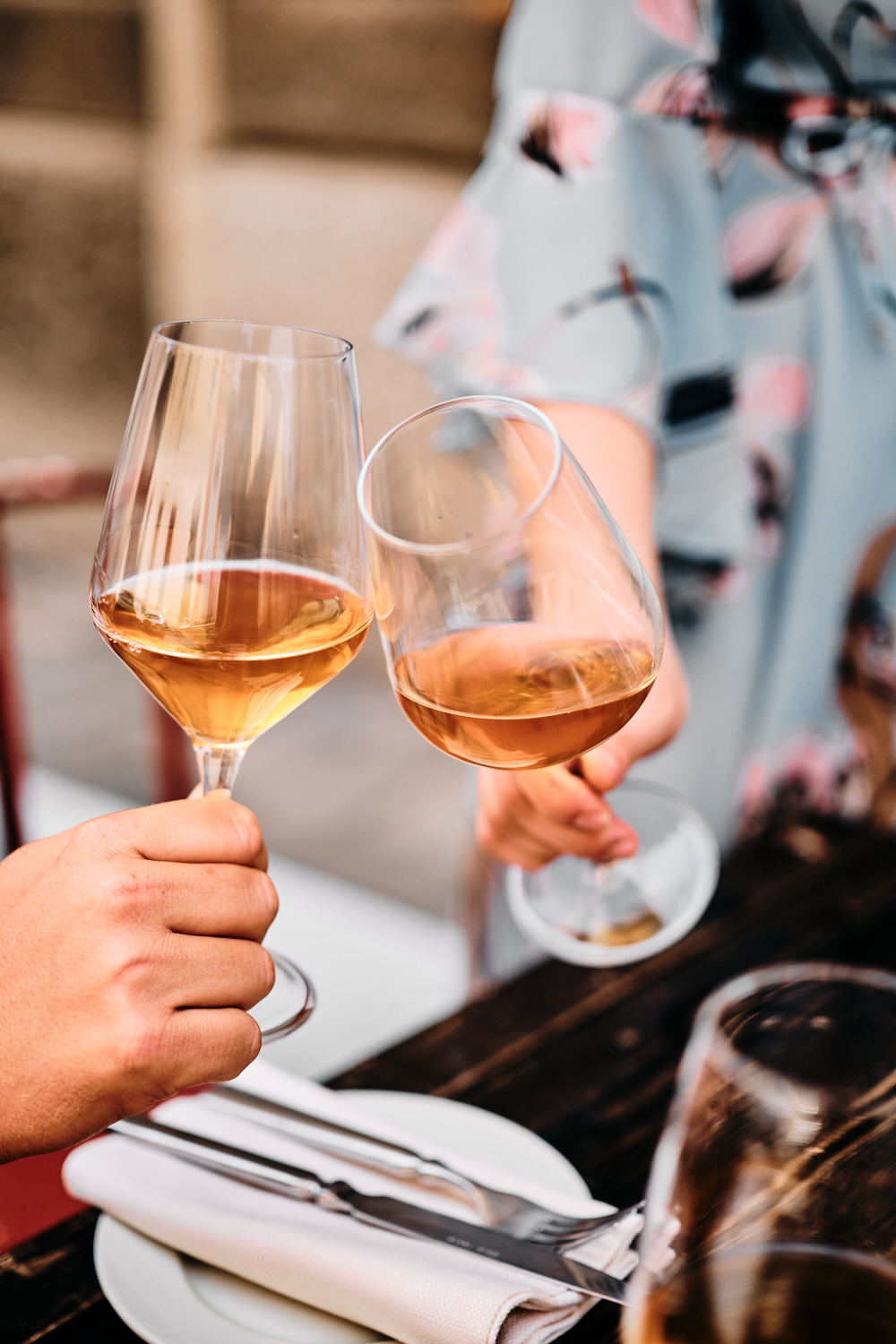
When it comes to white wines, the Piacenza region is the absolute land of choice for Malvasia di Candia Aromatica.
The Malvasia di Candia grape variety is characterized by an incredibly rich and complex aromatic profile. Depending on how it is vinified, you can catch beautiful notes of citrus, fresh fruit, flowers, hints of herbs, honey, spices, and minerals. To suit every palate, it is produced in four distinct styles: dry, semi-sweet, sweet and passito.
Ortrugo
The Ortrugo grape variety is grown almost exclusively in the province of Piacenza. Ortrugo DOC is a unique white wine born from this native variety. It is fresh, pleasant, and characterized by a delicate, distinctive aroma. Especially in its sparkling and sparkling-method versions, it offers a beautifully crisp finish with a pleasantly bitter aftertaste.
document.addEventListener('DOMContentLoaded', () => {
let preventAutoOpen = false;
let suppressNextScrollUpdate = false;
const tocWrappers = document.querySelectorAll('[fc-toc="wrapper"]');
if (!tocWrappers) return;
for (const wrapper of tocWrappers) {
// Grab key elements and settings
const tocComponent = wrapper.querySelector('[fc-toc="component"]');
const tocContent = wrapper.querySelector('[fc-toc="content"]');
const activeStyleElement = wrapper.querySelector('[fc-toc="active-style"]');
const activeClass = activeStyleElement?.className || '';
const debounceMs = 0;
const isCollapsible = tocComponent.getAttribute('fc-toc-collapse') === 'true';
if (!tocComponent || !tocContent) return;
// Map of heading levels to placeholder class names
const placeholderLinks = tocComponent.querySelectorAll('[fc-toc]');
const headingLevels = new Map();
placeholderLinks.forEach(link => {
const level = link.getAttribute('fc-toc');
const className = link.getAttribute('class') || '';
if (/^h[1-6]$/.test(level)) {
headingLevels.set(level.toLowerCase(), className);
}
});
// Find all target headings in the content
const selector = [...headingLevels.keys()].join(', ');
const headings = tocContent.querySelectorAll(selector);
// Generate unique IDs for headings
const usedIds = new Set();
const generateSlug = (text, index) => {
let slug = text.toLowerCase()
.normalize("NFD").replace(/[̀-ͯ]/g, "")
.replace(/[^a-z0-9\s-]/g, '')
.replace(/\s+/g, '-')
.replace(/-+/g, '-')
.replace(/^-|-$/g, '');
if (!slug) slug = `heading-${index}`;
let uniqueSlug = slug;
let count = 1;
while (usedIds.has(uniqueSlug)) {
uniqueSlug = `${slug}-${count++}`;
}
usedIds.add(uniqueSlug);
return uniqueSlug;
};
// Assign IDs to headings
headings.forEach((heading, index) => {
const id = generateSlug(heading.textContent.trim(), index);
heading.id = id;
});
// Build the TOC from placeholder links and real headings
let currentParentLi = null;
let subList = null;
headings.forEach((heading, index) => {
const level = heading.tagName.toLowerCase();
const className = headingLevels.get(level) || '';
const placeholderLink = tocComponent.querySelector(`[fc-toc="${level}"]`);
if (!placeholderLink) return;
const listItem = placeholderLink.closest('li');
if (!listItem) return;
const clonedItem = listItem.cloneNode(true);
const link = clonedItem.querySelector(`[fc-toc="${level}"]`);
if (link) {
link.href = `#${heading.id}`;
link.textContent = heading.textContent.trim();
link.setAttribute('fc-toc-link', level);
}
if (isCollapsible && level === 'h2') {
tocComponent.appendChild(clonedItem);
currentParentLi = clonedItem;
subList = document.createElement('ul');
subList.classList.add('toc-subitems');
currentParentLi.appendChild(subList);
} else if (isCollapsible && currentParentLi && subList) {
subList.appendChild(clonedItem);
} else {
tocComponent.appendChild(clonedItem);
}
});
// Initially collapse all groups if collapsible
if (isCollapsible) {
tocComponent.querySelectorAll('.toc-subitems').forEach(group => {
group.style.maxHeight = '0';
});
}
// Remove placeholder links
placeholderLinks.forEach(link => {
const parentLi = link.closest('li');
if (parentLi) parentLi.remove();
});
let debounceTimer;
let lastActiveLink = null;
let lastActiveGroupWrapper = null;
// Scroll TOC and manage group expansion on active link update
const scrollToActiveLink = () => {
if (suppressNextScrollUpdate) {
suppressNextScrollUpdate = false;
return;
}
if (preventAutoOpen) return;
const activeLink = tocComponent.querySelector('.w--current');
if (!activeLink || activeLink === lastActiveLink) return;
tocComponent.querySelectorAll('[fc-toc-link]').forEach(link => {
if (activeClass) link.classList.remove(activeClass);
});
if (activeClass) activeLink.classList.add(activeClass);
lastActiveLink = activeLink;
tocComponent.scrollBy({
top: activeLink.getBoundingClientRect().top - tocComponent.getBoundingClientRect().top - (tocComponent.getBoundingClientRect().height / 2) + (activeLink.getBoundingClientRect().height / 2),
behavior: 'smooth'
});
if (isCollapsible) {
const currentLi = activeLink.closest('li');
let groupWrapperLi = currentLi;
if (currentLi?.parentElement?.classList.contains('toc-subitems')) {
groupWrapperLi = currentLi.parentElement.closest('li');
}
tocComponent.querySelectorAll('li').forEach(li => {
const sub = li.querySelector('.toc-subitems');
if (
sub &&
li !== groupWrapperLi &&
sub.style.maxHeight !== '0px' &&
(!preventAutoOpen || li !== lastActiveGroupWrapper)
) {
collapseElement(sub);
}
});
expandElement(groupWrapperLi.querySelector('.toc-subitems'));
lastActiveGroupWrapper = groupWrapperLi;
}
};
const debouncedScroll = () => {
clearTimeout(debounceTimer);
debounceTimer = setTimeout(scrollToActiveLink, debounceMs);
};
// Observe class changes to trigger scroll update
const observer = new MutationObserver(() => {
if (!isAutoScrolling) debouncedScroll();
});
observer.observe(tocComponent, {
subtree: true,
attributes: true,
attributeFilter: ['class']
});
// Expand group for active link on page load
const expandActiveGroupOnLoad = () => {
if (!isCollapsible) return;
let attempts = 0;
const tryExpand = () => {
const activeLink = tocComponent.querySelector('.w--current');
if (activeLink) {
scrollToActiveLink();
} else if (++attempts < 20) {
setTimeout(tryExpand, 50);
}
};
tryExpand();
};
// Set up toggle buttons for manual group expansion
const setupManualToggles = () => {
if (!isCollapsible) return;
tocComponent.querySelectorAll('[fc-toc="open-group"]').forEach(toggleBtn => {
const subList = toggleBtn.closest('li')?.querySelector('.toc-subitems');
if (!subList || subList.children.length === 0) {
toggleBtn.style.display = 'none';
return;
}
for (const item of tocComponent.querySelectorAll('li')) {
item.style.display = 'grid';
item.style.gridTemplateColumns = '1fr auto';
}
subList.style.gridColumn = '1 / 3';
toggleBtn.addEventListener('click', (e) => {
e.stopPropagation();
preventAutoOpen = true;
const listItem = toggleBtn.closest('li');
if (!listItem) return;
const subList = listItem.querySelector('.toc-subitems');
if (!subList) return;
const isOpen = subList.style.maxHeight !== '0px';
const hasActive = listItem.querySelector(`.${activeClass}`);
if (isOpen && !hasActive) {
collapseElement(subList);
if (lastActiveGroupWrapper === listItem) {
lastActiveGroupWrapper = null;
}
} else if (!isOpen) {
expandElement(subList);
if (
lastActiveGroupWrapper &&
lastActiveGroupWrapper !== listItem &&
!lastActiveGroupWrapper.querySelector(`.${activeClass}`)
) {
const previousGroup = lastActiveGroupWrapper.querySelector('.toc-subitems');
if (previousGroup) collapseElement(previousGroup);
}
lastActiveGroupWrapper = listItem;
}
setTimeout(() => {
preventAutoOpen = false;
}, 100);
});
});
};
expandActiveGroupOnLoad();
setupManualToggles();
let isAutoScrolling = false;
let scrollTimeout;
const handleScrollStop = () => {
clearTimeout(scrollTimeout);
scrollTimeout = setTimeout(() => {
isAutoScrolling = false;
debouncedScroll();
}, 150);
};
// Handle anchor clicks and scroll positioning
tocComponent.querySelectorAll('a[fc-toc-link]').forEach(link => {
link.addEventListener('click', function (e) {
e.preventDefault();
const targetId = this.getAttribute('href')?.substring(1);
const target = document.getElementById(targetId);
if (!target) return;
const originalHref = this.getAttribute('href');
this.removeAttribute('href');
isAutoScrolling = true;
window.addEventListener('scroll', handleScrollStop);
const rect = target.getBoundingClientRect();
const scrollTo = window.scrollY + rect.top - (window.innerHeight / 2) + (rect.height / 2);
window.scrollTo({ top: scrollTo, behavior: 'smooth' });
const closeToc = document.querySelector('[fc-toc = close]')
if(closeToc) closeToc.click()
setTimeout(() => {
this.setAttribute('href', originalHref);
}, 100);
});
});
}
// Expand/collapse utility with icon rotation
function expandElement(el) {
const clone = el.cloneNode(true);
clone.style.visibility = 'hidden';
clone.style.position = 'absolute';
clone.style.height = 'auto';
clone.style.maxHeight = 'none';
clone.style.pointerEvents = 'none';
clone.style.opacity = '0';
el.parentElement.appendChild(clone);
const fullHeight = clone.scrollHeight;
el.parentElement.removeChild(clone);
el.style.maxHeight = fullHeight + 'px';
const icon = el.closest('li')?.querySelector('[fc-toc="open-group"]');
if (icon) {
const rotation = icon.getAttribute('fc-toc-rotate') || '180deg';
icon.style.transform = `rotate(${rotation}deg)`;
}
}
function collapseElement(el) {
el.style.maxHeight = '0px';
const icon = el.closest('li')?.querySelector('[fc-toc="open-group"]');
if (icon) {
icon.style.transform = 'rotate(0deg)';
}
}
});
Related posts
EVENTS GUIDE
Don't Miss Out: The big Annual Events in Piacenza and Beyond
Piacenza is full of events throughout the year. Ready to fill up your calendar?